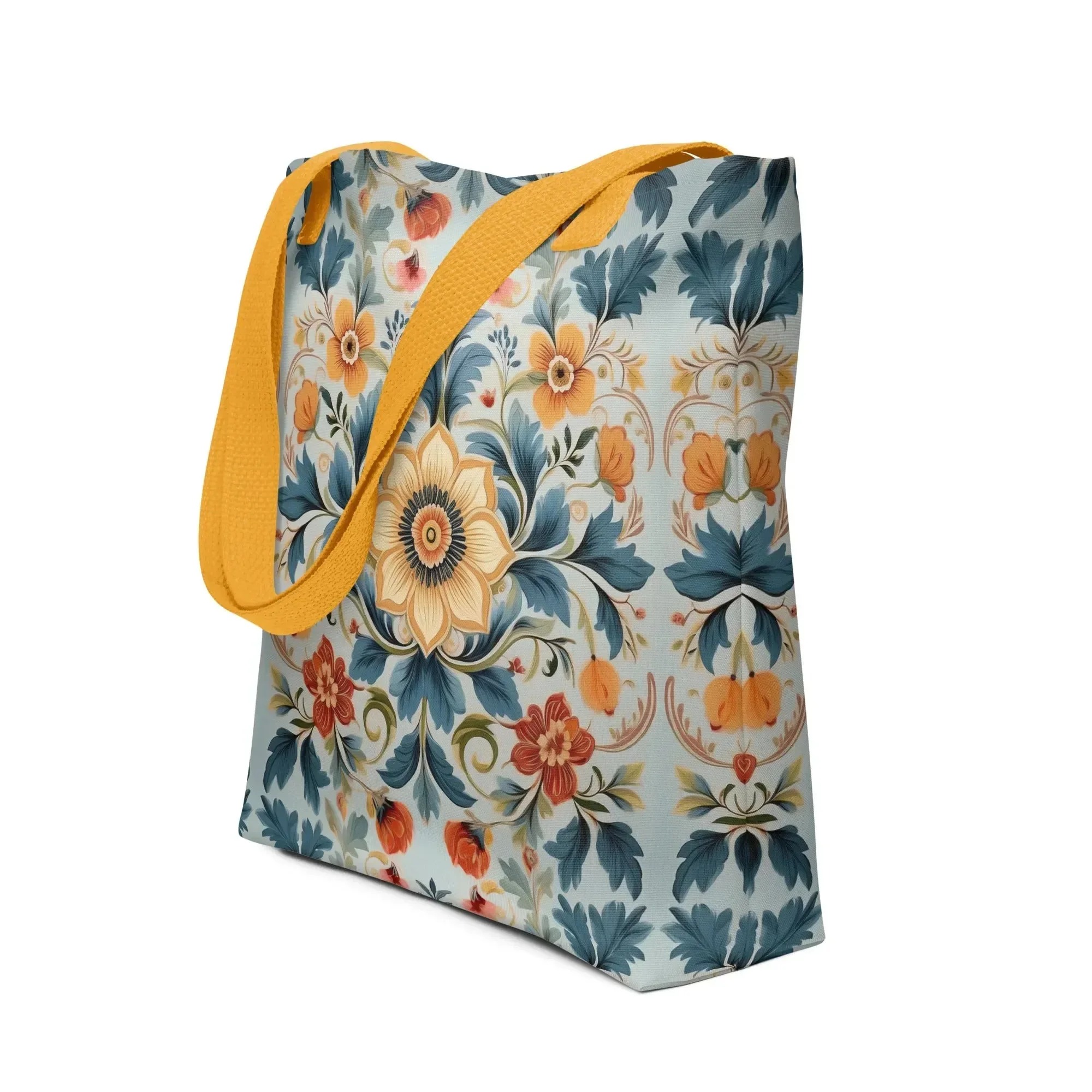
Not every tote bag deserves to go everywhere with you. Some of them are fine. They hold things, they last a season, and then they quietly retire to a hook on the back of a door. The ones that stay in active rotation, that you reach for every morning without thinking twice, are always the ones with a little more to them. A better quality. A more interesting design. A story.
Story is not a word that usually comes up in discussions about bags, but it should. The most enduring accessories have always been the ones that carry some kind of meaning beyond their function. Tote Bags that draw from genuine cultural heritage traditions carry that meaning naturally. They reference something real: a weaving tradition, a folk art style, a ceramic pattern that has been reproduced in a specific region for centuries.
That is exactly what The Global Wanderer offers. Their Tote Bags are designed around authentic cultural patterns from across the globe, creating accessories that have genuine visual depth and a story worth telling.
Three Cultural Families Worth Exploring
African Heritage Designs
West and Central African textile and craft traditions are among the most visually arresting in the world. Ghanaian Kente cloth, with its interlocking strips of bold color and geometric pattern, has a visual authority that is instantly recognizable. Malian mud cloth, by contrast, uses a subtler palette of earth tones with symbolic geometric markings that carry deep cultural meaning. Both translate powerfully onto a tote bag format.
Latin American Textile Art
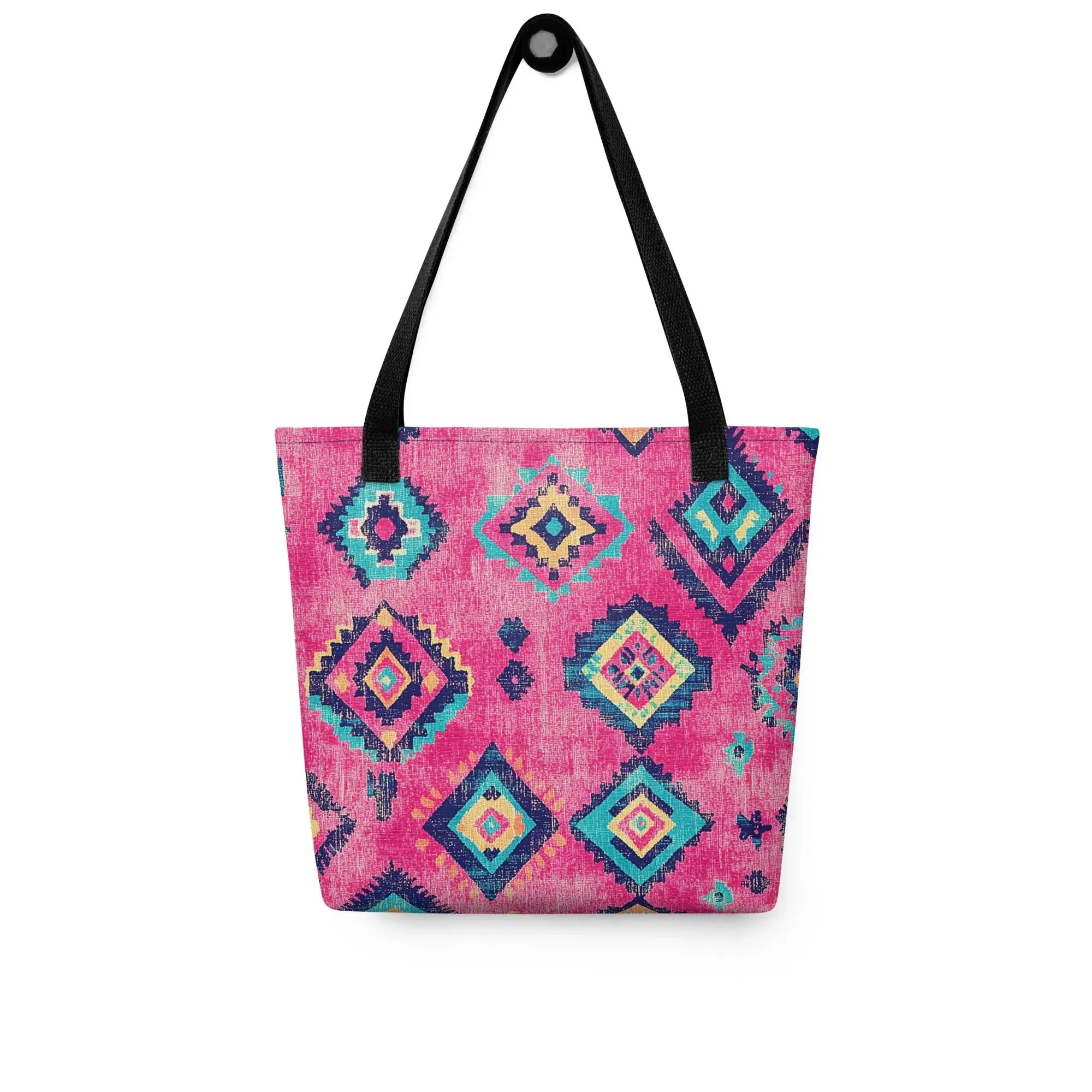
The cultural textile traditions of Latin America are enormously varied and visually rich. Mexican Serape patterns use long horizontal stripes of contrasting color to create a vibrant, celebratory effect. Mexican Otomi art takes a completely different approach, using hand-embroidered-style figures of animals, birds, and flowers in a whimsical, detailed composition. Peruvian Blanket designs draw from Andean weaving traditions with a distinctive geometric intricacy.
European Folk Art
Scandinavian and Eastern European folk art traditions offer a more intimate, handmade visual quality. Norwegian Rosemaling uses flowing botanical motifs painted in rich colors, while Polish Wycinanki draws from the tradition of colorful paper-cut art. Portuguese Azulejo tile designs bring a classical blue-and-white geometry that has a quietly sophisticated quality.
Why Made-on-Demand Matters for Tote Bags
The Global Wanderer’s made-on-demand production model has real implications for the quality and exclusivity of every tote you buy. Rather than producing thousands of identical bags to stock in a warehouse, each bag is made when it is ordered. This means greater care goes into each individual piece, and the range of available designs can be far broader than any mass-market brand could offer.
It also means that your tote bag is unlikely to be identical to one owned by multiple people in your immediate social circle. For anyone who specifically values distinctiveness in their accessories, that matters.
Building a Complete Cultural Carry
Think of your tote bag as the anchor of a broader aesthetic. Once you have chosen a cultural design you love, you can build out from there, adding a phone case, a pouch, or a water bottle or tumbler in a coordinating design. The Global Wanderer’s breadth of product categories makes that kind of cohesive curation genuinely possible.
Conclusion
The best Tote Bags do not simply carry your things. They carry your personality, your curiosity, and your connection to the wider world. The Global Wanderer’s culturally inspired tote collection makes it possible to find a bag that tells your specific story, one heritage pattern at a time. Browse the collection and find the design that feels like it was waiting for you.
