
Turkish cuisine is a story told through ingredients, regional traditions and cooking methods that have developed over centuries. Traditional Turkish Food ranges from sizzling grilled meats and vegetable dishes to fresh breads, savory pastries, hearty soups and famously sweet desserts. Whether you’re in a bustling Istanbul restaurant or at a family table somewhere in Anatolia, the food reflects a country with plenty of variety and a deep love of sharing meals.
Kebabs: A Famous Turkish Favorite
Kebabs are probably the dish most people think of first. Doner kebab is made from seasoned meat stacked on a vertical rotating spit, shaved into thin slices and served with bread, vegetables and sauces. It’s a staple of street food across the country.
Adana kebab is another favorite. It’s traditionally made with seasoned minced meat pressed around a skewer and grilled over hot coals. Every region has its own take, so trying a few different kebabs is a tasty way to get a feel for how varied Turkish cooking can be.
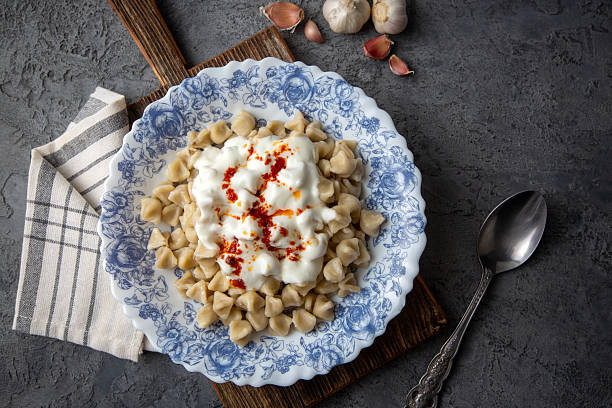
traditional turkish food
Meze and Fresh Turkish Bread
Meze are small dishes served as starters or shared plates, and they’re perfect if you like to sample a bit of everything. You’ll often find hummus, haydari, ezme and a range of vegetable dishes on the table, although recipes differ from region to region and even from one household to another.
Bread plays a big role as well. Pide, a soft flatbread, appears at many meals, while simit, a ring of bread covered in sesame seeds, is a popular snack that’s often enjoyed with a glass of tea.
Pide and Lahmacun
Turkish pide is often described as a boat-shaped flatbread loaded with toppings such as cheese, minced meat or vegetables. It’s baked until the edges turn golden and the filling is cooked through.
Lahmacun is a different experience. It’s a thin, crisp flatbread topped with a seasoned mixture of minced meat, tomatoes, peppers and herbs. People usually serve it with fresh greens and a squeeze of lemon, and many roll it up to eat by hand. Both dishes rely on flatbread, but their texture, preparation and presentation set them clearly apart.
Comforting Soups and Home-Cooked Dishes
Soup holds a special place at many Turkish tables. Mercimek çorbası, a smooth lentil soup, is loved for its comforting texture and simple ingredients. Other regional soups might include yogurt, grains, vegetables or meat.
Home cooking brings its own favorites. Dolma, for instance, is made from vegetables or leaves stuffed with seasoned rice or other fillings, and menemen is a simple dish of eggs cooked with tomatoes and peppers. Meals like these show that everyday Turkish food can be full of flavor without depending only on meat.
Turkish Desserts and Tea
Baklava is the dessert many visitors remember most: layers of thin pastry filled with nuts and soaked in syrup. Künefe is another treat, made with shredded pastry, cheese and sweet syrup, and it’s often served warm. Turkish delight, known as lokum, comes in many flavors and textures and is commonly offered with coffee or tea.
Speaking of tea, it’s a central part of social life in Turkey. It’s served throughout the day in small tulip-shaped glasses, and turning down a glass can feel almost impolite. Turkish coffee is another cherished tradition, known for its strong flavor and distinctive way of being served.
Tips for Trying Turkish Food
If you’re new to the cuisine, start by ordering a mix of dishes to share. A few meze, a kebab or lahmacun and a dessert will give you a nice sampling of flavors in a single meal. Don’t hesitate to ask locals or restaurant staff for their favorites, since many places have a house specialty that isn’t obvious from the menu.
Conclusion
Traditional Turkish Food offers a generous range of regional specialties, from kebabs and lahmacun to lentil soup, baklava and Turkish tea. Trying different dishes lets you appreciate the ingredients, techniques and customs behind them. Whether you’re exploring a local restaurant or cooking a recipe at home, these classic foods are a warm and welcoming introduction to Turkey’s culinary heritage.
