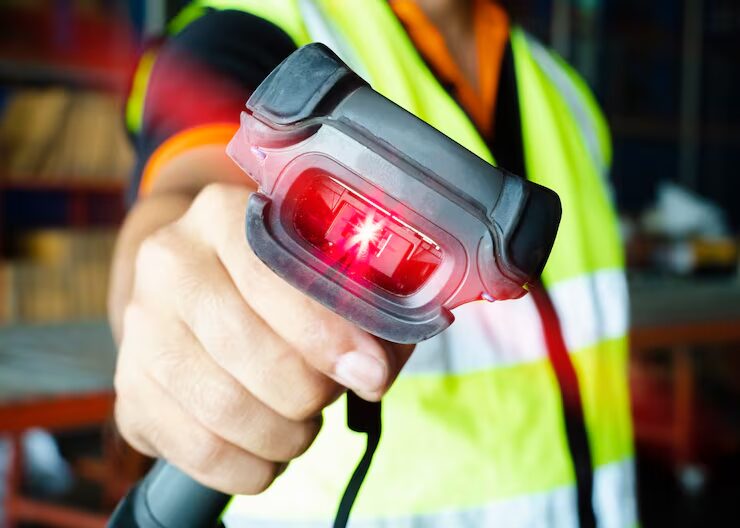
Walk through a large power plant, and the sheer scale of the combustion equipment is striking. Massive boilers, banks of burners, miles of instrumentation — all of it working together to turn fuel into steam into electricity. Inside that process, buried in furnace walls and sight tubes, are the sensors that make safe combustion possible. flame scanner. Small devices doing a critical job in an unforgiving environment.
Most plant operators know they need them. Fewer think carefully about how they work, what separates good ones from mediocre ones, or why the selection process deserves more attention than it usually gets.

How Combustion Control Depends on Reliable Flame Sensing
A burner management system can only be as reliable as the sensors feeding it data. The flame scanner is the primary input for whether the control system believes combustion is occurring — and it acts on that belief.
The Safety Interlock Chain
When a flame scanner signals flame-out, the BMS responds by closing the fuel supply valve. This happens fast — within seconds, sometimes faster. The entire safety interlock chain depends on that signal being accurate. A false flame-out signal causes an unnecessary shutdown and costs the plant money. A missed flame-out signal is a safety event.
Neither outcome is acceptable, which is why the quality of the scanner itself matters so much.
Continuous Monitoring vs. Periodic Checks
Older detection approaches relied on periodic checks — operators visually confirming flame through sight glasses, or simple thermocouple readings. Modern industrial practice uses continuous electronic monitoring. The flame scanner reads the flame dozens of times per second, watching for the characteristic flicker frequency that distinguishes an active flame from background radiation or hot refractory glow.
This distinction matters because hot refractory in a furnace can look like a flame to a poorly designed sensor. A scanner that can’t differentiate between the two is a liability.
What Separates Industrial-Grade Scanners from Standard Equipment
There’s a reason industrial flame scanners aren’t cheap, and it’s not just brand markup. The engineering that goes into units designed for continuous industrial service is fundamentally different from commercial-grade equipment.
Thermal Management
The electronics inside a flame scanner are sensitive. But the environment they operate in is not. Mounting positions on industrial furnaces can see ambient temperatures that would destroy unprotected electronics in hours. Industrial scanners use thermal isolation, purge air systems, and materials selected specifically to handle this environment continuously.
Signal Discrimination Capability
A Honeywell flame scanner in an industrial application does more than detect light. It analyzes the frequency characteristics of the flame signal — the flicker pattern — to confirm it’s seeing an active flame and not a hot surface or adjacent burner. This discrimination capability is what makes the difference between a scanner that triggers nuisance trips and one that earns operator trust over years of service.
Durability Over Service Life
Industrial buyers aren’t just purchasing performance at installation. They’re purchasing performance over a multi-year service life under demanding conditions. Mean time between failures, availability of replacement parts, and field-serviceability all factor into the real cost of ownership.
Maintenance Practices That Extend Scanner Service Life
Even the best scanner needs consistent maintenance attention. The environment it operates in works against it constantly, and a few straightforward practices make a real difference in reliability.
Purge Air System Maintenance
Most industrial flame scanners use a purge air system to keep combustion gases away from the optics. If the purge air supply is inadequate or contaminated, lens fouling accelerates quickly. Checking purge air flow and pressure on a regular schedule is basic maintenance that’s surprisingly easy to overlook.
Periodic Signal Strength Checks
Many modern scanners output a signal strength reading alongside the flame/no-flame output. Trending this reading over time gives early warning of degrading optical performance — before it reaches the point of causing nuisance trips or missed detections. This kind of predictive maintenance is far preferable to reactive troubleshooting after a failure.
Scheduled Calibration Verification
Sensitivity settings should be verified against the actual flame behavior at various loads. A scanner calibrated at low-fire conditions may behave differently at high fire, and vice versa. Verifying across the operating range — not just at one point — gives much higher confidence in the system’s reliability.
For facilities that need support with scanner maintenance programs or sourcing reliable replacement units, specialists like Diamond Systems have the application knowledge to help navigate those decisions correctly.
Sourcing Considerations When OEM Parts Aren’t Available
Supply chain disruptions are a real and recurring problem in industrial maintenance. When a scanner fails and the OEM can’t supply a replacement within an acceptable timeframe, having options matters.
Engineered replacement solutions — units designed to be functionally equivalent to original equipment without being OEM parts — are a legitimate and sometimes better option than waiting on extended lead times. The key is working with a supplier who understands the original specification well enough to ensure the replacement performs identically.
This requires real application knowledge. A supplier who specializes in industrial flame monitoring equipment, rather than one who distributes a broad catalog of unrelated products, is much better positioned to provide this kind of support.
Conclusion
Power plant combustion control is complex, but flame detection is foundational to getting it right. A reliable, properly maintained flame scanner is the starting point for everything the burner management system does. Treating it as an afterthought is a mistake that tends to reveal itself at inconvenient moments. Investing in the right equipment and the right expertise upfront saves considerably more trouble downstream.
