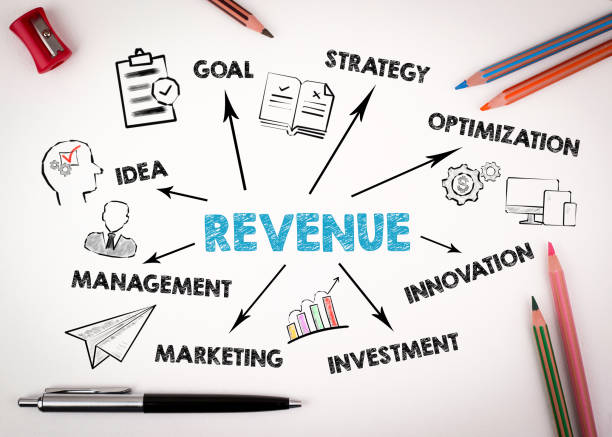
In the fast-moving world of consumer packaged goods, pricing and profitability are no longer based on instinct alone. Companies are shifting toward smarter, data-driven strategies to stay competitive and maximize margins. This is where revenue management becomes a critical function. It blends analytics, consumer behavior, and strategic pricing to ensure every product delivers optimal value.
Modern CPG brands are not just selling products, they are managing complex ecosystems of pricing, promotions, and channels. When done right, revenue management can unlock hidden profits and create sustainable growth even in highly competitive markets.
The Role Of ” This is a keyword ” revenue management CPG” In Modern Strategy
Revenue management CPG focuses on aligning pricing, promotions, and product mix with consumer demand. The goal is simple but powerful: sell the right product, at the right price, through the right channel, at the right time.
Companies now use advanced analytics tools to understand purchasing patterns and price sensitivity. For example, a beverage company may notice that smaller pack sizes perform better in urban areas, while larger value packs sell more in suburban markets. By adjusting pricing and promotions accordingly, they can maximize revenue without increasing costs.
One key advantage is the ability to respond quickly to market changes. If raw material costs rise or competitors launch aggressive discounts, revenue management teams can adjust pricing strategies in real time.
Key Benefits
- Improved profit margins without increasing production costs
Why ” This is a keyword ” revenue management CPG” Drives Competitive Advantage
In today’s crowded marketplace, differentiation is not just about product quality. Pricing strategy plays an equally important role. Effective revenue management allows brands to stand out while maintaining profitability.
For instance, a snack company might introduce tiered pricing across different retail channels. Premium stores may carry higher-priced bundles, while discount retailers focus on affordability. This ensures the brand captures value from different customer segments without diluting its positioning.
Another example can be seen in promotional planning. Instead of offering blanket discounts, companies now use targeted promotions. A retailer may offer discounts only during peak demand periods or to specific customer groups. This approach reduces unnecessary revenue loss while boosting sales efficiency.
Pro Tip
Focus on elasticity insights. Understanding how demand changes with price shifts can help you avoid over-discounting and protect margins.
Building A Strong Revenue Management Framework
To implement a successful revenue management strategy, CPG companies must integrate data, technology, and cross-functional collaboration. Sales, marketing, and finance teams need to work together to align goals and share insights.
Start by investing in data analytics tools that provide real-time visibility into sales performance. Next, establish clear pricing guidelines based on market research and consumer behavior. Finally, continuously monitor results and refine strategies based on performance metrics.
A strong framework also includes scenario planning. For example, if a competitor reduces prices by 10 percent, how will your brand respond? Having predefined strategies ensures faster and more effective decision-making.
Common Challenges And How To Overcome Them
Despite its benefits, revenue management is not without challenges. Many organizations struggle with fragmented data and lack of alignment between departments.
One way to overcome this is by creating a centralized data system that integrates information from all channels. Another approach is to train teams on the importance of revenue management so everyone understands its impact on overall business performance.
Consistency is also crucial. Frequent and unplanned pricing changes can confuse customers and damage brand trust. A structured approach ensures stability while still allowing flexibility.
Conclusion
Revenue management is no longer optional in the CPG industry. It is a strategic necessity that enables companies to navigate complex markets and drive sustainable growth. By leveraging data, understanding consumer behavior, and implementing smart pricing strategies, brands can unlock new levels of profitability.
The future belongs to companies that treat revenue management as a core capability rather than a supporting function. Those who invest in it today will be better positioned to lead tomorrow.
