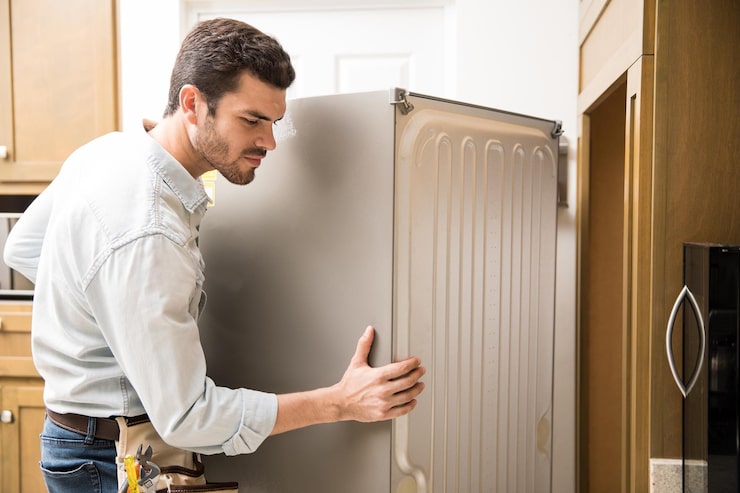
Commercial refrigeration systems are the backbone of restaurants, grocery stores, and food processing facilities. When these systems fail, it can lead to product loss, safety concerns, and unexpected downtime. Understanding the most frequent problems addressed during commercial refrigeration repair helps business owners act quickly and minimize disruption. From temperature inconsistencies to compressor malfunctions, technicians handle a wide range of issues that can impact performance and efficiency.
In this guide, we will walk through the most common problems, how they occur, and why timely repairs are essential for maintaining a reliable refrigeration system.
Common Issues in Commercial Refrigeration Repair
Commercial units operate under constant stress, which makes them prone to wear and tear. Below are some of the most frequent issues that technicians fix during service calls.
Temperature fluctuations that compromise food safety, often caused by faulty thermostats, blocked vents, or dirty condenser coils
Temperature inconsistency is one of the biggest red flags. For example, a restaurant walk in cooler that fails to maintain proper cooling can quickly spoil perishable items. Technicians typically inspect sensors, recalibrate thermostats, and clean airflow pathways to restore proper operation.
Another frequent issue involves refrigerant leaks. When refrigerant levels drop, the system struggles to maintain cooling efficiency. This can lead to higher energy bills and reduced performance. A professional repair technician identifies leaks, seals them, and refills the refrigerant to manufacturer specifications.
Electrical problems are also common in commercial refrigeration systems. Damaged wiring, blown fuses, or malfunctioning control boards can cause sudden system shutdowns. For instance, a grocery store freezer may stop working entirely due to a minor electrical fault. Skilled technicians diagnose these issues quickly to prevent extended downtime.
How Commercial Refrigeration Repair Solves Performance Issues
Compressor and Motor Failures in Commercial Refrigeration Repair
The compressor is the heart of any refrigeration system. When it fails, the entire unit can stop functioning. During commercial refrigeration repair, technicians often address compressor issues such as overheating, unusual noises, or failure to start.
For example, a noisy compressor may indicate internal wear or lack of lubrication. Ignoring this problem can lead to complete system failure. Repair professionals may replace worn components or recommend a new compressor if necessary.
Fan motors also play a critical role in maintaining airflow. If evaporator or condenser fans stop working, heat exchange becomes inefficient. This results in uneven cooling and increased strain on the system. Repairing or replacing faulty motors restores proper airflow and system balance.
Ice Buildup and Drainage Problems in Commercial Refrigeration Repair
Ice accumulation inside the unit is another common issue. It often occurs due to defrost system failures or poor airflow. When ice builds up on evaporator coils, it blocks heat exchange and reduces cooling efficiency.
For instance, a bakery freezer with excessive ice buildup may struggle to maintain freezing temperatures. Technicians typically inspect the defrost timer, heaters, and sensors to resolve the issue.
Drainage problems can also cause water leakage and hygiene concerns. Clogged drain lines prevent proper water removal, leading to puddles inside or around the unit. During commercial refrigeration repair, professionals clear blockages and ensure smooth drainage to prevent recurring issues.
Additional Problems Fixed During Repairs
Beyond the major issues, technicians often address smaller but equally important problems that impact overall performance. Door seal damage is a common example. Worn or broken gaskets allow cold air to escape, forcing the system to work harder. Replacing seals improves efficiency and reduces energy consumption.
Another issue involves dirty condenser coils. Over time, dust and debris accumulate on coils, reducing their ability to release heat. This can cause overheating and higher energy usage. Regular cleaning during repair visits helps maintain optimal performance.
Control system malfunctions are also frequently repaired. Modern refrigeration units rely on digital controls to regulate temperature and operation cycles. When these systems fail, it can lead to erratic behavior or complete shutdown. Technicians recalibrate or replace faulty components to restore normal function.
Pro Tip for Preventing Frequent Repairs
A proactive maintenance schedule can significantly reduce the need for emergency repairs. Regular inspections, coil cleaning, and timely replacement of worn components help extend the lifespan of your system.
Pro Tip: Schedule professional maintenance at least twice a year and train staff to report unusual noises, temperature changes, or leaks immediately. Early detection often prevents costly repairs and downtime.
Conclusion
Commercial refrigeration systems are complex machines that require consistent care and timely intervention. From temperature fluctuations and refrigerant leaks to compressor failures and drainage issues, commercial refrigeration repair addresses a wide range of problems that can disrupt business operations.
By understanding these common issues, business owners can take a proactive approach to maintenance and repairs. Quick action not only protects valuable inventory but also ensures energy efficiency and long term reliability. Investing in professional repair services and routine maintenance is the best way to keep your refrigeration system running smoothly and avoid unexpected breakdowns.
