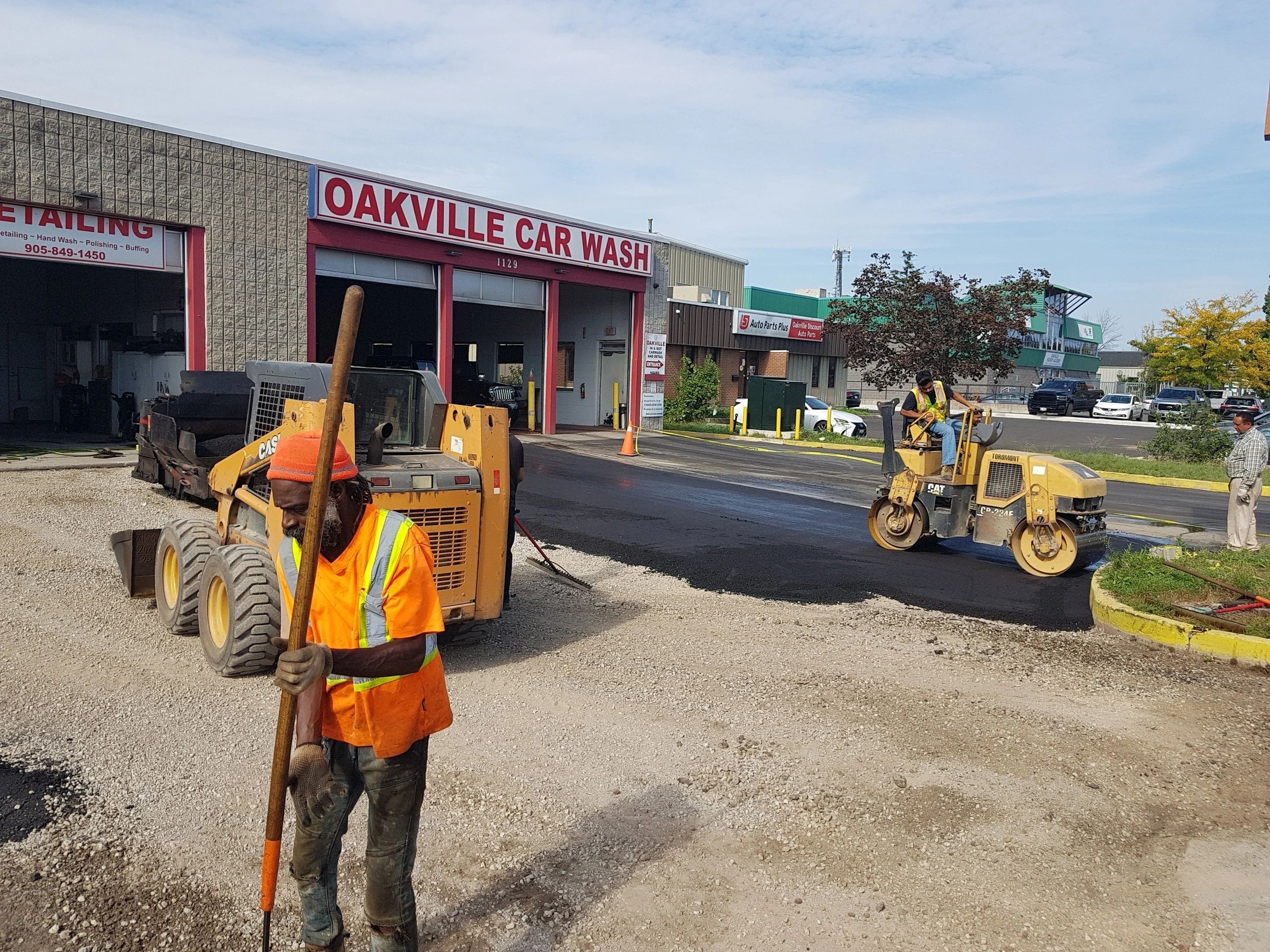
A business property communicates before a single word is spoken. The moment a client, tenant, or partner pulls into your lot, they are already forming an opinion. Cracked surfaces, faded markings, and pooling water suggest an operation that does not sweat the details. A clean, well-maintained lot tells a different story entirely. For business owners who care about reputation as much as revenue, commercial asphalt paving is not a back-burner maintenance task. It is a front-line brand investment that pays dividends every single day your doors are open. Understanding how it works, what it costs, and what separates a great job from a poor one is knowledge that belongs in every business owner’s toolkit.
The Business Case for Quality Pavement
When evaluating capital expenditures, business owners naturally want to know what they are getting for their money. Pavement is one of those investments where the return is both tangible and compounding. A properly installed commercial lot, maintained on a sensible schedule, can deliver 20 to 30 years of reliable service. One installed carelessly, without proper base preparation or adequate drainage consideration, may begin failing within five years, triggering repair cycles that cost far more than the original project.
Beyond longevity, there is the liability dimension. Uneven surfaces, raised edges, and crumbled pavement near entrances create trip hazards that translate directly into legal and insurance exposure. The cost of one serious injury claim dwarfs any savings from deferred maintenance. Business owners who think about their lot as a risk management asset, rather than just a convenience feature, tend to make much smarter decisions about when and how to invest in it.
What Quality Commercial Paving Actually Involves
Not all paving work is created equal, and the differences matter enormously over time. Quality commercial asphalt paving starts well before the first truck arrives on site. It begins with a site assessment that evaluates the existing base, identifies drainage concerns, and determines whether full removal and replacement is warranted or whether an overlay will perform adequately. Skipping this step is where many contractors cut corners, and where many property owners inherit problems they did not anticipate.
Compaction is another area where quality diverges sharply from mediocrity. Proper compaction density, confirmed by testing on commercial projects, determines how well the surface handles load stress over time. Under-compacted pavement deforms under heavy vehicles and develops rutting and cracking far ahead of schedule. A contractor who invests in proper compaction equipment and takes the time to do it correctly is delivering a fundamentally different product than one who rushes through to the next job.
Ontario-based business owners can see what a thorough commercial approach looks like by reviewing how established contractors present their work. Companies offering dedicated commercial asphalt paving services walk clients through specifications, phasing plans, and warranty terms before a shovel hits the ground.

Maintenance Planning: Protecting What You Build
The single biggest mistake commercial property owners make after a paving project is treating it as a one-time event. Asphalt is a living surface, at least in the sense that it responds to climate, load cycles, and the passage of time. Without regular maintenance, even the best-installed lot will deteriorate faster than it should.
A practical maintenance program includes seal coating every two to four years to protect against UV degradation and water infiltration, prompt crack filling whenever new cracks appear, and periodic inspection to catch early signs of base failure before they become structural problems. Businesses that incorporate these costs into their annual facility budgets consistently extend pavement life and avoid the emergency spending that disrupts operating cash flow.
Conclusion
For business owners who take the long view, commercial asphalt paving is not an expense to minimize. It is an asset to manage. Invest in quality installation, maintain on a schedule, and select contractors who understand that commercial work requires commercial standards. The return, measured in curb appeal, safety, liability reduction, and deferred replacement costs, makes a compelling case every time.
