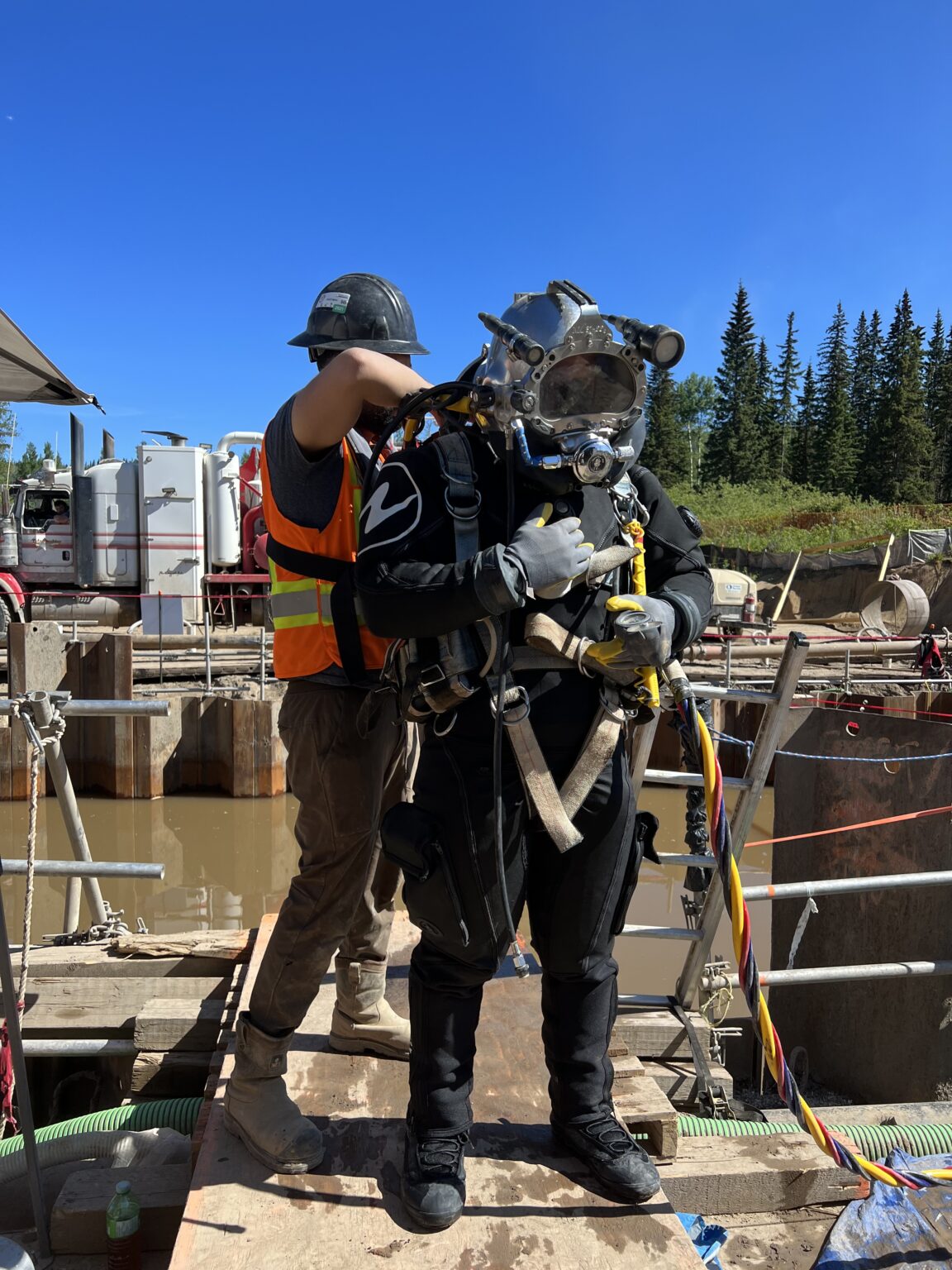
Underwater welding is often described as one of the highest-paying and most dangerous skilled trades in the world. Many people are drawn to this career after hearing claims of six-figure salaries and adventurous offshore work. However, the reality of underwater welding income is more complex. In this article, we take a detailed look at whether underwater welding is truly good money in 2025, how much welders earn, what factors affect pay, and whether the financial rewards outweigh the risks.
underwater
Is Underwater Welding Good Money?
Underwater welding can be a high-paying career, but income is not guaranteed. While some underwater welders earn impressive salaries, others make far less than expected, especially early in their careers. Earnings depend on experience level, job type, location, and the type of diving involved. Offshore and saturation welding generally pay more than inland underwater welding, but they also involve higher risks and longer periods away from home.
How Much Do Underwater Welders Make?
The salary of an underwater welder varies widely across the industry. Many beginners are surprised to learn that entry-level pay is not extremely high. New underwater welders often start with modest earnings while gaining experience and building a reputation.
Entry-Level Underwater Welding Pay
Entry-level underwater welders usually earn between forty thousand and sixty thousand dollars per year. These welders commonly work inland projects such as bridges, docks, and water treatment facilities. While the pay is decent, it is not dramatically higher than other skilled trade jobs at this stage.
Experienced Underwater Welder Salary
With several years of experience and access to offshore or deep-sea projects, income increases significantly. Experienced underwater welders can earn between eighty thousand and one hundred twenty thousand dollars per year or more. Saturation divers and offshore welders working in the oil and gas industry often command the highest wages due to the complexity and danger of the work.
Factors That Affect Underwater Welding Income
Several important factors determine how much money an underwater welder can make over time.
Job Location
Location plays a major role in underwater welding pay. Inland underwater welding jobs tend to offer more consistent work but lower wages. Offshore underwater welding jobs typically pay much more, though work can be seasonal and unpredictable, with long gaps between contracts.
Certifications and Skills
Income increases significantly with advanced certifications and specialized skills. Commercial diving credentials, professional welding certifications, and saturation diving experience all contribute to higher earning potential. Welders with multiple qualifications are often prioritized for higher-paying contracts.
Type of Employer
The employer also impacts earnings. Oil and gas companies usually offer the highest pay due to the hazardous nature of offshore work. Government infrastructure projects provide steadier employment but lower wages, while private marine contractors vary depending on project size and location.
underwater
Is Underwater Welding Dangerous?
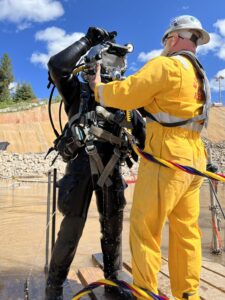
Underwater welding is widely considered one of the most dangerous professions in the world. Welders face serious hazards every time they enter the water. These include decompression sickness, electric shock, equipment malfunction, and the effects of extreme underwater pressure. Because of these risks, high pay often reflects the danger involved rather than job comfort or long-term security.
Is Underwater Welding Worth It Financially?
From a financial standpoint, underwater welding can be worth it for certain individuals. The career offers high earning potential, opportunities to travel, and strong demand in marine industries. However, it also comes with inconsistent schedules, intense physical strain, and a shorter career lifespan compared to many other trades. Many professionals use underwater welding as a short-term career to earn substantial income before transitioning to safer roles.
Who Should Consider Underwater Welding?
Underwater welding is best suited for individuals who are physically fit, comfortable with risk, and willing to work in challenging environments. Those who already have experience in welding or commercial diving often find it easier to succeed. People seeking stability, predictable income, and long-term health may want to explore other welding or technical careers instead.
Conclusion
So, is underwater welding good money? The answer is yes, but only under the right circumstances. Underwater welding can provide high income, especially for experienced offshore professionals with advanced certifications. However, the financial rewards come with significant risks, demanding working conditions, and inconsistent employment. Anyone considering this career should carefully weigh the money against safety, lifestyle, and long-term career goals before taking the plunge.
