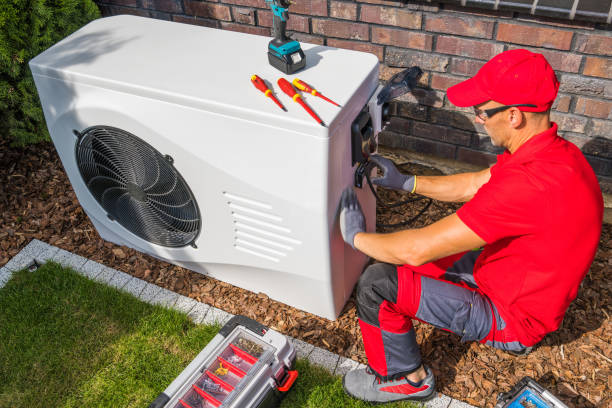
Homeowners today are searching for cooling and heating solutions that offer comfort, efficiency, and long-term savings. Traditional HVAC systems often require separate units for heating and cooling, which can increase energy consumption and maintenance costs. This is where a heat pump air conditioner stands out as a practical and innovative alternative.
Unlike conventional systems, a heat pump works by transferring heat rather than generating it. This unique approach allows it to cool your home during hot weather and provide warmth during colder months. As energy efficiency becomes a growing priority, more families are considering this technology to create comfortable living spaces while reducing utility expenses.
What Makes a Heat Pump Air Conditioner Different From Traditional Systems?
A heat pump air conditioner operates by moving heat from one location to another. During summer, it removes heat from inside the home and releases it outdoors. In winter, the process reverses, bringing heat from the outside air into your living space.
This dual-purpose functionality eliminates the need for separate heating and cooling equipment. As a result, homeowners can enjoy:
- Year-round climate control from a single system.
The ability to perform both functions efficiently makes heat pumps an attractive option for modern households looking for convenience and value.
How Does a Heat Pump Air Conditioner Improve Energy Efficiency?
One of the biggest advantages of a heat pump air conditioner is its energy-saving capability. Since it transfers heat instead of creating it through combustion or electric resistance, it consumes significantly less energy.
For example, a homeowner living in a moderate climate may notice lower monthly utility bills after replacing an older furnace and air conditioning setup with a modern heat pump system. Over time, these savings can offset a portion of the initial installation investment.
Additionally, many advanced models include smart controls and variable-speed technology. These features help maintain consistent indoor temperatures while minimizing unnecessary energy usage.
Why Are More Homeowners Switching to Heat Pumps?
The growing popularity of heat pumps is driven by several practical benefits. Beyond energy efficiency, they contribute to improved indoor comfort and environmental responsibility.
Many homeowners appreciate the quieter operation compared to some traditional HVAC units. Modern heat pumps are designed to run smoothly while maintaining balanced temperatures throughout the home.
For example, a family living in a suburban neighborhood may experience fewer hot and cold spots after upgrading to a properly sized heat pump system. This creates a more comfortable environment in bedrooms, living areas, and home offices.
Another reason for increased adoption is the reduced environmental impact. Because heat pumps use electricity efficiently, they can help lower greenhouse gas emissions when paired with cleaner energy sources.
Key Factors to Consider Before Installation
Before investing in a heat pump, it is important to evaluate several factors. Climate conditions, home size, insulation quality, and existing ductwork can all influence system performance.
Working with a qualified HVAC professional helps ensure the equipment is correctly sized for your property. An oversized or undersized unit may not deliver the expected comfort or efficiency benefits.
Homeowners should also compare features such as:
- Variable-speed compressors
- Smart thermostat compatibility
- Noise ratings
- Energy efficiency certifications
Careful planning can maximize the value and performance of the system for years to come.
Pro Tip
Pro Tip: Schedule annual maintenance for your heat pump. Regular cleaning, filter replacement, and professional inspections can improve efficiency, extend equipment lifespan, and prevent costly repairs.
Are Heat Pumps Suitable for Every Home?
While heat pumps perform exceptionally well in many regions, modern cold-climate models have expanded their effectiveness in areas with lower winter temperatures. Advances in technology allow these systems to maintain reliable performance even when outdoor temperatures drop significantly.
For example, homeowners in cooler regions can choose specialized heat pump models designed specifically for cold-weather operation. This flexibility makes the technology suitable for a wider range of applications than ever before.
Conclusion
A heat pump air conditioner offers an efficient, versatile, and environmentally conscious solution for year-round home comfort. By combining heating and cooling into a single system, it simplifies climate control while helping reduce energy consumption. Whether your goal is lowering utility bills, improving indoor comfort, or supporting a greener lifestyle, a heat pump can be a valuable investment. As technology continues to evolve, these systems are becoming an increasingly smart choice for homeowners seeking modern comfort and lasting efficiency.
