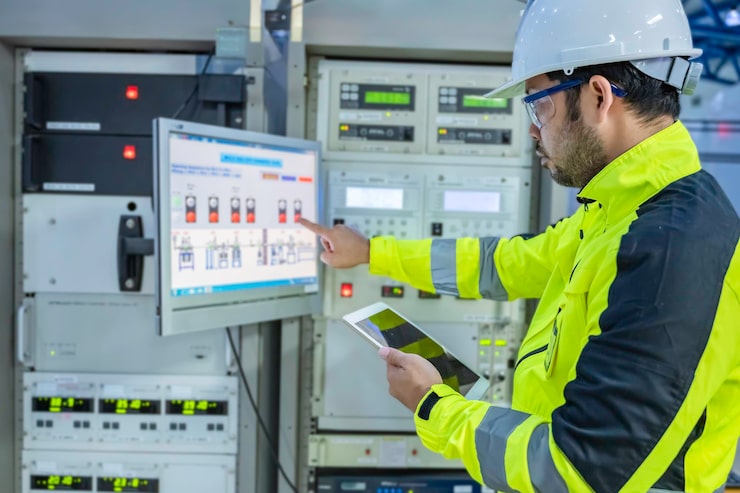
In healthcare facilities, a distribution fault that kills power to the wrong circuit at the wrong moment is not a financial problem — it is a patient safety event. In manufacturing plants, an unexpected shutdown caused by a distribution failure cascades into production losses, equipment damage, and schedule impacts that ripple through supply chains. These environments sit at the extreme end of the reliability spectrum, and their electrical distribution infrastructure needs to reflect that reality with specification-grade equipment and thoughtful design.
How Healthcare Facilities’ Electrical Distribution Requirements Differ
The National Electrical Code and NFPA 99 impose specific requirements on healthcare facility electrical distribution that go well beyond standard commercial building standards. Healthcare occupancies must maintain essential electrical systems on dedicated circuits, provide automatic transfer to backup power within a defined time window, and separate equipment into distinct branches that protect patient care areas from the impact of faults elsewhere in the facility.
These requirements translate into specific distribution design decisions: a separate essential electrical system panelboard, dedicated equipment branch and life safety branch circuits, coordination with the backup power system to ensure automatic transfer within the required time frame, and arc flash mitigation measures that protect both patients and maintenance personnel. Sourcing electrical distribution equipment for healthcare facilities requires a distributor who understands these requirements and can confirm that specified equipment meets them.
Healthcare Electrical Distribution Essentials
- Life safety branch: Emergency lighting, exit signage, alarm systems
- Critical branch: Patient care equipment, nurses stations, medical gas alarms
- Equipment branch: HVAC, elevators, and other essential building systems
- Normal system: General building loads not on the essential electrical system
- Transfer switch: Automatic, with transition time meeting code requirements for occupancy type
Industrial Electrical Distribution and Continuous Operations
Manufacturing plants and industrial facilities present a different set of electrical distribution challenges centered on high-demand motor loads, continuous operation requirements, and the financial consequences of unplanned downtime. Electrical distribution systems in industrial settings must handle the starting current surges from large motors, provide isolation capability that allows maintenance without full facility shutdowns, and coordinate protection systems to contain faults without cascading outages.
For tribal manufacturing and industrial facilities, the combination of continuous operation requirements and tribal procurement preferences makes Catawba Power and Lighting a particularly well-positioned partner. The company brings both the technical understanding of industrial distribution requirements and the Native-owned procurement credentials that satisfy tribal and federal diversity sourcing programs.
Why Backup Power Integration Matters in Industrial Settings
Backup power solutions in manufacturing environments serve a different purpose than in healthcare or emergency management facilities. Rather than protecting life-safety systems, industrial backup power typically protects process continuity, equipment from damage during uncontrolled shutdowns, and data systems from corruption during power events. The distribution design must support safe, controlled transitions to backup power without triggering motor protection devices or causing data system failures.
This requires coordination between the backup power system and the distribution system at a level of detail that goes beyond simply installing a transfer switch. Motor load profiles, process control system power requirements, and data system UPS coordination all factor into a properly designed industrial backup power strategy.
Catawba’s Role in Healthcare and Industrial Power Infrastructure
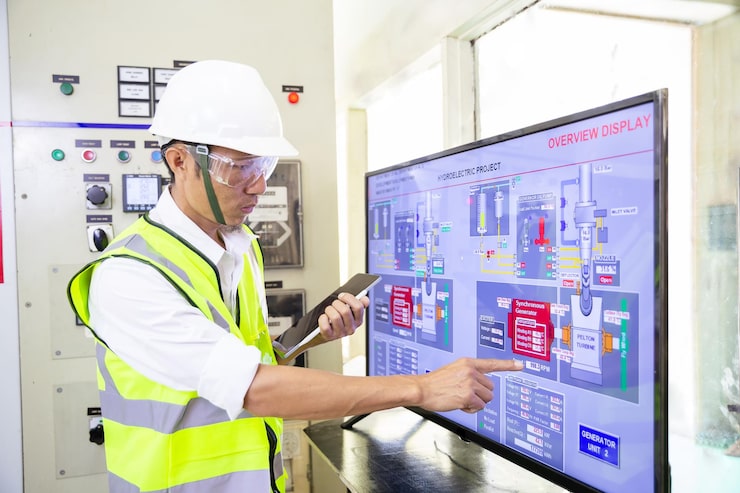
Catawba Power and Lighting sources specification-grade switchgear and electrical distribution equipment for healthcare, manufacturing, tribal government, and commercial construction applications. The company’s engagement model goes beyond product fulfillment to include technical support from specification through delivery — helping project teams navigate the specific requirements of their facility type without discovering gaps after equipment arrives on site.
As a Native American-owned distribution company with nationwide direct-ship capability, Catawba serves complex multi-site projects and single-facility upgrades with equal effectiveness. The company’s strategic manufacturer relationships provide access to leading distribution equipment brands at competitive pricing, backed by the technical knowledge to confirm specification compliance.
Conclusion
Healthcare facilities and industrial plants occupy the high end of electrical distribution reliability requirements, where the consequences of getting it wrong extend beyond financial impact to patient safety and operational continuity. Specification-grade electrical distribution equipment, properly sourced through a knowledgeable partner, is the foundation of infrastructure that actually performs to those standards. Catawba Power and Lighting brings the expertise, product access, and Native procurement advantages to serve these demanding applications effectively.
