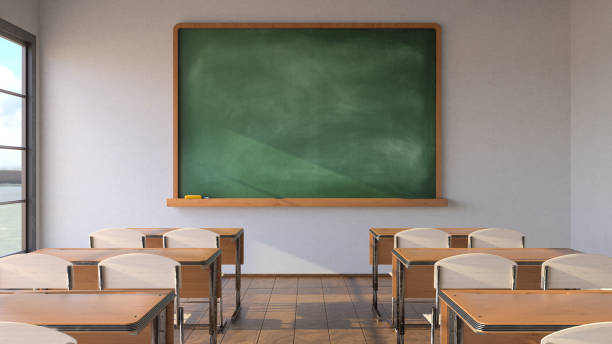
When parents and educators think about improving student performance, they often focus on curriculum, teaching methods, and technology. Yet one of the most influential factors in a child’s educational journey sits right beneath them. The furniture inside a school does far more than fill a room. It shapes how students sit, think, interact, and learn throughout every single school day.
Why Does School Furniture Matter More Than People Think?
Most people underestimate the connection between physical comfort and academic performance. Research in educational design consistently shows that students who are physically comfortable are better able to concentrate, retain information, and engage with their peers. When a child spends six or more hours sitting on an ill-fitting chair at an awkwardly sized table, their body works harder just to stay upright, leaving less mental energy for actual learning.
Good school furniture is designed with the human body in mind, particularly the growing bodies of children. Chairs that support the lumbar region, tables that align with seated arm height, and desks that allow proper posture all contribute to a healthier, more focused student population.
How Does Furniture Affect Classroom Behavior?
Teachers frequently report that classroom management becomes easier when the physical environment is thoughtfully arranged. When students can move comfortably, access shared spaces without disruption, and sit in configurations suited to different activities, disruptive behavior tends to decrease naturally.
Flexible school furniture, for example, allows teachers to shift from a traditional lecture layout to group discussion circles in minutes. This adaptability signals to students that the learning environment respects different kinds of work, which builds engagement and responsibility. Fixed, uncomfortable furniture, on the other hand, creates frustration and restlessness, especially among younger students or those with additional needs.
What Types of School Furniture Should Every Institution Consider?
The needs of a primary school differ significantly from those of a secondary institution. However, several categories of furniture apply broadly across educational settings.
Seating is arguably the most critical investment. Chairs must be available in sizes appropriate to different age groups, and ideally adjustable to accommodate the natural variation within a single classroom. A chair that works perfectly for one ten-year-old may be entirely unsuitable for another of the same age.
Storage solutions are another area where schools often underinvest. When students have designated, accessible spaces for their belongings, classrooms remain tidier, reducing distraction and making transitions between activities smoother. Lockers, trays, shelving units, and cubbies all serve important organisational functions.
Collaborative furniture, including round tables, bench seating, and shared workstations, supports the kind of group work that modern educational models emphasise. Students who learn to collaborate effectively are better prepared for professional environments, and the right furniture makes that practice possible from an early age.
Is Durability a Key Factor When Choosing School Furniture?
Absolutely. Schools operate under tight budgets and cannot afford to replace furniture every few years. Investing in durable, high-quality pieces from reputable suppliers ensures that the initial cost is spread across many years of reliable use.
Quality materials also contribute to hygiene and safety. Surfaces that can be wiped down quickly, edges that are properly finished, and frames that resist wobbling all reduce risk in a busy school environment. When furniture breaks or deteriorates, it creates hazards that staff must monitor, taking valuable time and resources away from education itself.
How Can Schools Choose the Right Furniture for Their Needs?
The procurement process should begin with a clear understanding of the school’s vision. Are classrooms designed for traditional instruction, project-based learning, or a blend of both? How many students will use each space? Are there any accessibility requirements that must be met?
Once those questions are answered, working with a specialist supplier becomes far more straightforward. Suppliers who focus exclusively on educational environments understand the regulatory requirements, size standards, and usage patterns specific to schools, and can guide purchasing decisions accordingly.
What Role Does Aesthetics Play in School Furniture Selection?
The visual environment of a school matters more than many administrators realise. Colours, textures, and layouts all influence mood and motivation. Bright, welcoming furniture in a well-lit room communicates to students that their space is worth caring for, which in turn encourages them to treat it with respect.
Schools do not need to choose between practicality and visual appeal. Modern educational furniture is designed to achieve both, with clean lines, durable finishes, and a range of colour options that can complement any interior design scheme.
Conclusion
School furniture is not a peripheral concern. It is central to the quality of education that students receive every day. By investing thoughtfully in ergonomic, durable, and flexible furniture, schools create environments where students can truly thrive, and where teachers can teach without the added burden of managing an uncomfortable or disorganised space.
